A new website goes faster, costs less and turns out better when a few things are sorted before design starts. You don't need all of them, and a good designer will help with the gaps, but the more you have ready, the smoother it goes.
Here's the checklist I share with clients, and how it fits into the process.
1. Know what the website is for
Before colours and layouts, get clear on the job your website needs to do. Is it to:
- Get enquiries or quote requests?
- Take bookings?
- Sell products?
- Build credibility, so people who've heard of you trust you?
Pick one or two main goals. They'll shape everything from the homepage structure to where the buttons go.
2. Know who you're talking to
Write down who your ideal customers are, what they're worried about, and what they need to know before they get in touch. Your website should answer their questions, not just list what you do.
Tip: Think about the questions you're asked most on the phone or by email. Those often make the best website content.
3. Gather your brand assets
- Your logo, ideally as a vector file (SVG, AI, EPS or PDF) as well as a PNG
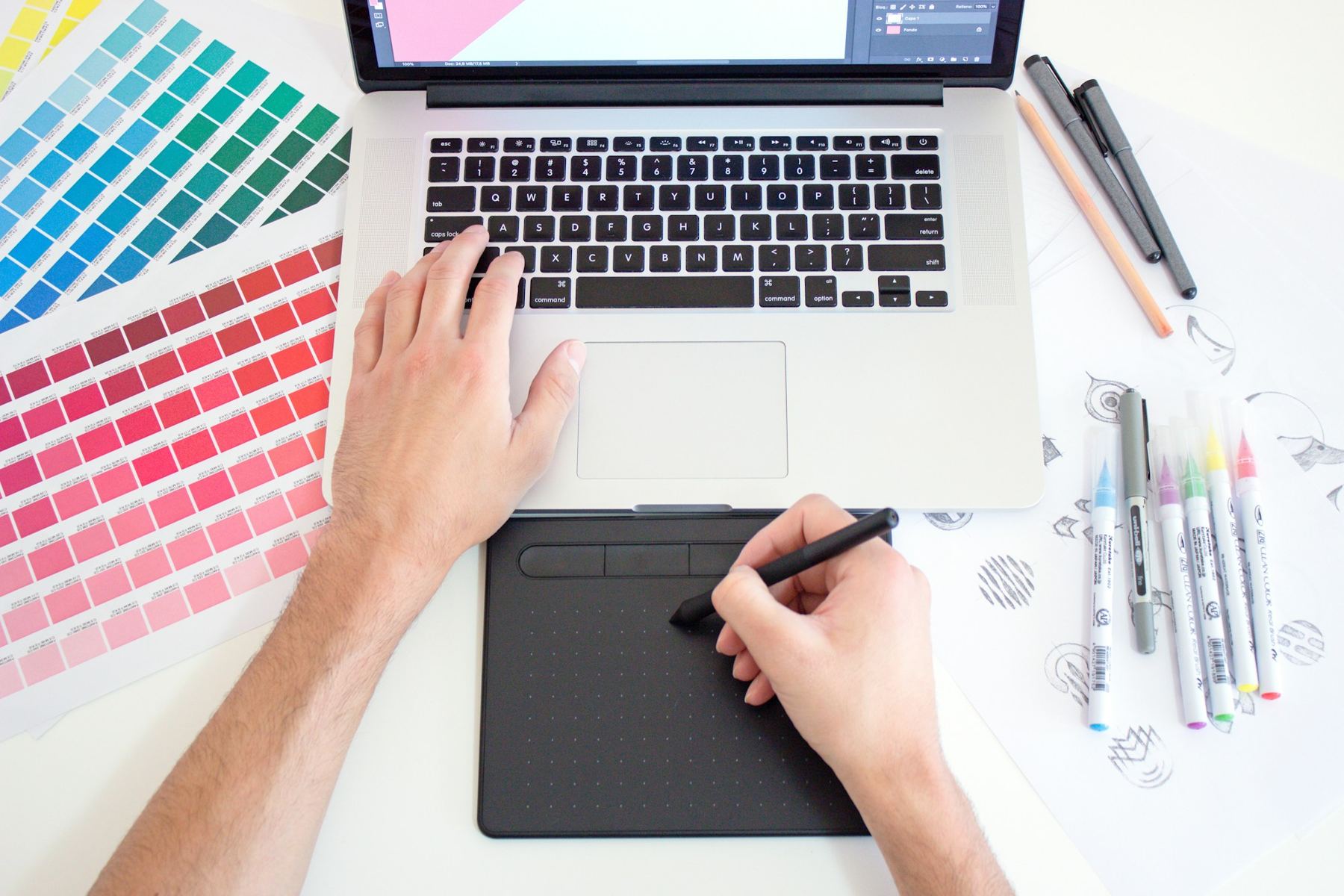
- Brand colours and fonts, if you have them
- Any brand guidelines
No brand yet? That's fine. It usually makes sense to design your logo, colours and type first, then carry them straight into the website. I bundle branding with website builds for exactly this reason.
4. Start on your content
Content is the most common reason website projects get delayed. Start early on:
- Services: what you offer, who it's for, and what's included
- About: your story, team and why you do what you do
- Proof: testimonials, reviews, case studies and logos of clients you've worked with
- FAQs: the questions from step 2
- Photos: real photos of you, your team, your space and your work beat stock images every time
Don't want to write it yourself? I can write SEO-friendly copy for your site, based on keyword research for your industry.
5. Collect inspiration
Save websites you like, and ones you don't, with a note on why. They don't need to be from your industry. Some of the best references come from completely different fields.
This feeds straight into the moodboard stage of the process.
6. Get your logins together
These save a surprising amount of back-and-forth:
- Your domain registrar (where your domain name is registered)
- Your current website and hosting, if you have them
- Google Analytics and Google Search Console
- Google Business Profile
- Any booking, email marketing or payment tools you want connected
7. Know your budget and timeline
Be upfront about both. A good designer will tell you honestly what's realistic, and suggest what to do now and what can come later.
How the process works
Once you're ready, this is how a website project runs with me:
01 · Discuss. We talk through what your business needs, who you're trying to reach and what you're comfortable spending. You'll get an honest view of what's realistic before anything is quoted.
02 · Develop. I put together a scope of works and a collaborative moodboard, built around your vision, your industry and your goals.
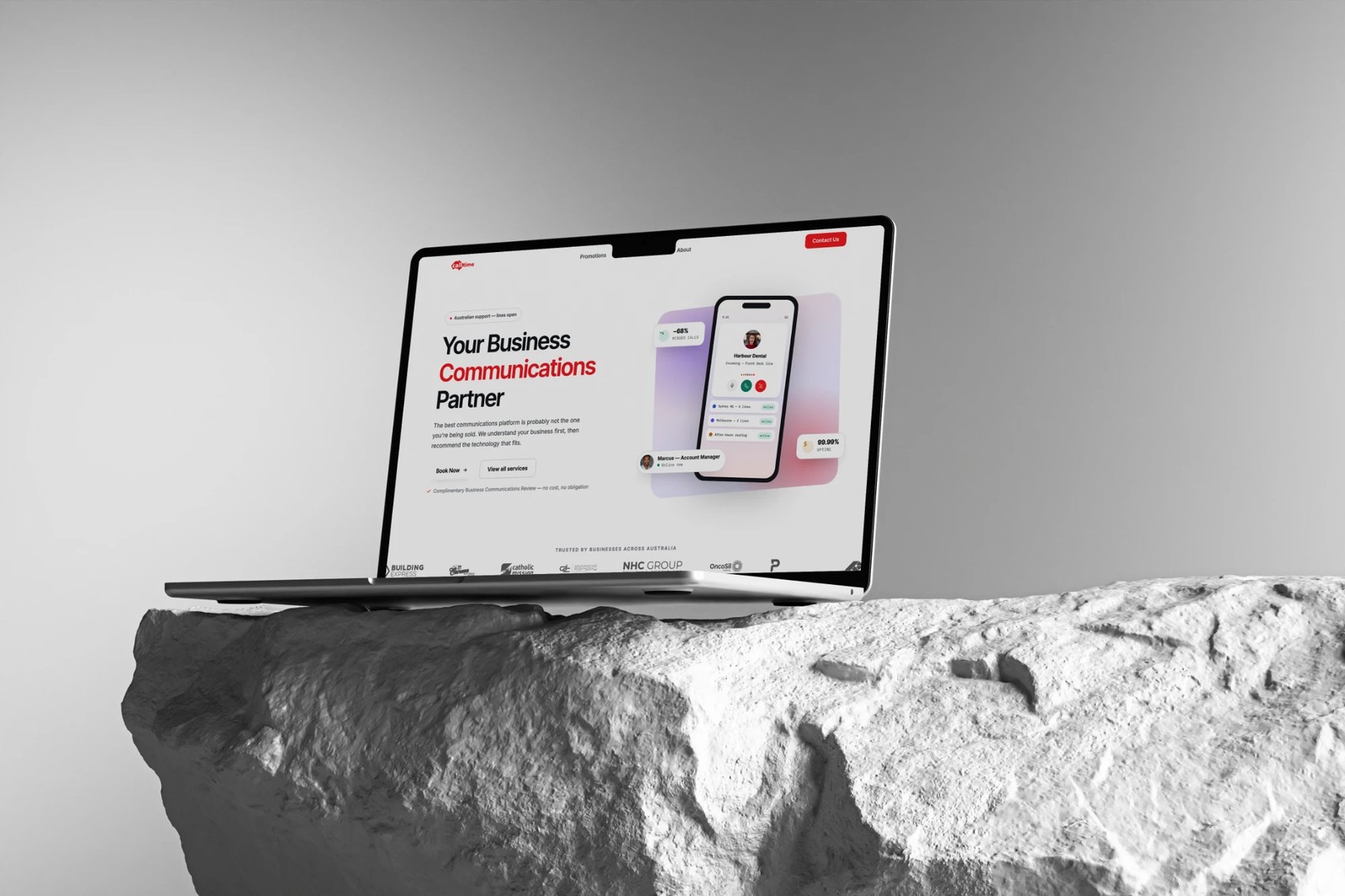
03 · Design. You get three fully branded homepage options, presented as working prototypes you can click through rather than flat images. We refine one and sign it off together before anything else is built.
04 · Deliver. The rest of your site is built, reviewed, refined and handed over as a fully editable WordPress site that you own.
The three-homepage step makes a big difference. Seeing genuinely different directions early means you choose with confidence, and the rest of the build stays consistent instead of drifting page by page.
Quick checklist
- Main goal(s) for the website
- Who your ideal customers are and what they need to know
- Logo files, colours and fonts (or a plan to create them)
- Draft content for key pages (or a plan for copywriting)
- Real photos
- Testimonials and reviews
- Inspiration: sites you like and don't like
- Logins for domain, hosting and Google tools
- Budget and ideal launch date
You don't need every box ticked to get started. Tell me where you're at and we'll work out the rest together.
Start a conversation →Personal reply within 24 hours, always from me.
Chloe, Coco Creatives. Sydney web designer with 8 years in web design and branding. I design and build every site myself, from our first chat through to handover.